
Why Is My AC Blowing Warm Air? 7 Common Causes and How to Fix It
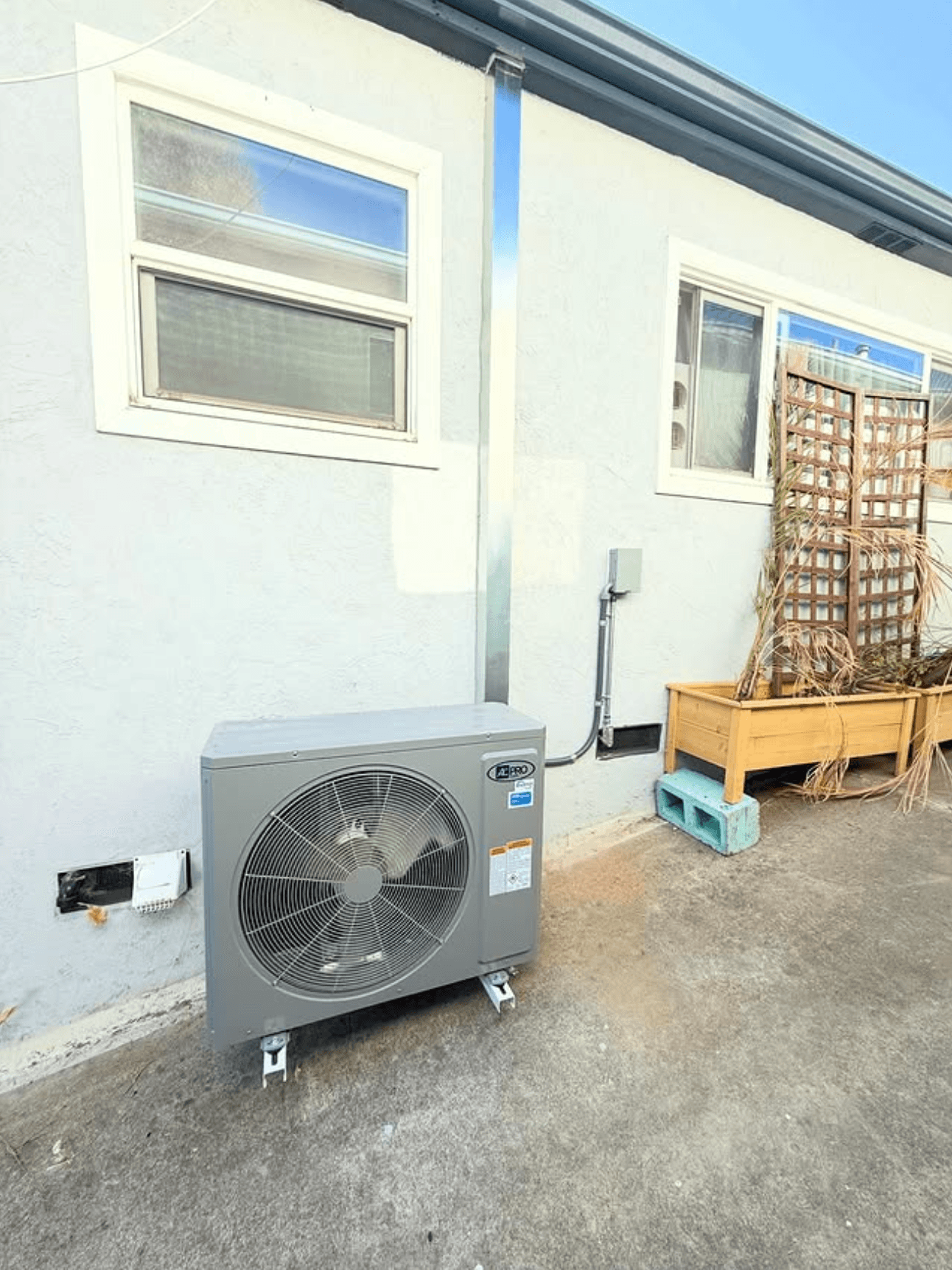
The worst time to discover your AC is blowing warm air is a 95° afternoon. One minute the house is comfortable, the next the vents are pushing room-temperature — or warmer — air while the system runs and runs. It's one of the most common calls we get all summer across San Diego and Southern Riverside counties.
The good news: a fair number of "warm air" problems have simple causes you can check in a few minutes before you ever pick up the phone. The rest need a technician — but knowing which is which saves you time, money, and a sweaty afternoon.
Here are the seven causes we see most, roughly in order from "you can probably fix this yourself" to "call us today."
Before you do anything: three 60-second checks
Start here, because these solve a surprising share of warm-air calls:
- Check the thermostat. Make sure it's set to COOL (not HEAT or just FAN) and the target temperature is below the current room temperature. If the fan is set to ON instead of AUTO, the blower runs even when the system isn't actively cooling — which feels exactly like warm air coming from the vents.
- Check the breaker. A central AC draws power in two places: the indoor air handler and the outdoor condenser. If the outdoor unit's breaker has tripped, the indoor fan keeps blowing air that never got cooled. Flip the breaker fully off, then back on.
- Check the air filter. A filter packed with dust chokes airflow, which causes weak, warm, or no airflow — and over time can freeze the system up entirely (more on that below). If it's gray and matted, replace it.
If all three look fine and you're still getting warm air, it's one of the issues below.
1. Thermostat set or wired wrong
Beyond the basics above, thermostats fail in quiet ways: dead batteries, a loose wire, or a sensor that's drifted out of calibration and no longer reads the room correctly. A smart thermostat stuck in a "hold" or vacation schedule can also keep the system from cooling when you expect it to. Swapping batteries and double-checking the schedule is a safe DIY step; a miswired or failed thermostat is a quick fix for a tech.
2. A dirty air filter restricting airflow
This is the single most common cause we find — and the most preventable. When the filter is clogged, the system can't pull enough air across the coil. You get weak, lukewarm airflow, higher bills, and extra strain on the equipment. Check your filter monthly during summer and replace it when it looks dirty. In dusty inland areas like Escondido, San Marcos, Temecula, and Murrieta, filters load up faster than the "90-day" label suggests.
3. A tripped breaker or an outdoor unit that isn't running
Walk outside and listen. If the big outdoor condenser is silent while the indoor system hums along, the outdoor unit isn't running — and you're just circulating uncooled air. A tripped breaker is the easy case. But if the breaker keeps tripping after you reset it once, stop: that's the system protecting itself from an electrical fault, and it needs a diagnosis, not a third reset.
4. Low refrigerant or a refrigerant leak
Refrigerant is what actually removes heat from your home's air. When it's low, the system runs but can't cool — so the vents blow warm. Here's the part most homeowners don't know: refrigerant doesn't get "used up." If you're low, you have a leak. Topping it off without finding and fixing that leak just buys a few weeks before you're warm again — and modern refrigerant isn't cheap. This is a professional repair: we find the leak first, fix it, then recharge.
5. A frozen evaporator coil
This one is counterintuitive — a block of ice on your system causes *warm* air. Restricted airflow (usually a dirty filter) or low refrigerant lets the indoor coil drop below freezing, and condensation turns to ice that blocks airflow completely. If you spot ice on the refrigerant lines or indoor unit, turn the system OFF and set the fan to ON to thaw it (this can take a few hours). Then fix the root cause — because if you don't, it will refreeze. Repeated freezing means it's time for a tech.
6. A failed capacitor or contactor
The capacitor is a small component that gives the compressor and fan motors the jolt they need to start. When it fails — and they fail often, especially after a heat wave — you'll often hear a hum or click from the outdoor unit while the fan won't spin, or the fan spins but the compressor won't engage. Either way: no cooling. It's a common, relatively inexpensive repair, but not a DIY job — capacitors store a dangerous electrical charge even with the power off.
7. A failing compressor
The compressor is the heart of the air conditioner, and when it's on its way out you'll get warm air, hard starts, and breaker trips. Whether to repair or replace depends on the system's age and warranty. On a unit that's 12+ years old, a failed compressor usually tips the math toward replacing the system rather than pouring money into old equipment. We'll give you the honest comparison either way.
DIY vs. call a pro: a quick cheat sheet
| Cause | Can you DIY it? |
|---|---|
| Thermostat settings or dead batteries | Yes |
| Dirty air filter | Yes |
| Tripped breaker (once) | Yes |
| Frozen coil | Thaw it yourself; fix the cause with a pro |
| Low refrigerant or leak | No — professional |
| Failed capacitor or contactor | No — professional |
| Compressor failure | No — professional |
Why this happens more during our summers
San Diego's coastal mildness lets systems coast through most of the year — then the first real inland heat wave in Temecula, Murrieta, Escondido, or San Marcos pushes everything at once. Equipment that felt "fine" at 78° struggles at 100°, and marginal capacitors, slow refrigerant leaks, and dirty coils all tend to fail the same week. Repair calendars fill up fast on those days, so call early in the morning for the best chance at same-day service.
The best fix is the one you never need
Most warm-air breakdowns trace back to two preventable things: dirty filters and coils, and slow refrigerant leaks that go unnoticed until the system can't keep up. A yearly tune-up — coil cleaning, refrigerant check, capacitor test, and a full electrical inspection — catches both before the heat does. Our maintenance plans keep it on schedule and move members to the front of the queue on hot days.
What to do if your AC is still blowing warm
If you've checked the thermostat, breaker, and filter and you're still getting warm air, it's time for a real diagnosis. We'll find the actual cause — not just sell you a new system — and give you the price before any work begins. See our AC repair service or book online, and we'll get to you fast. We serve San Marcos, Escondido, Carlsbad, Vista, Oceanside, Temecula, Murrieta, and the rest of San Diego and Southern Riverside counties.