
Mini Split vs. Central AC in San Diego: Which Is Better for Your Home?
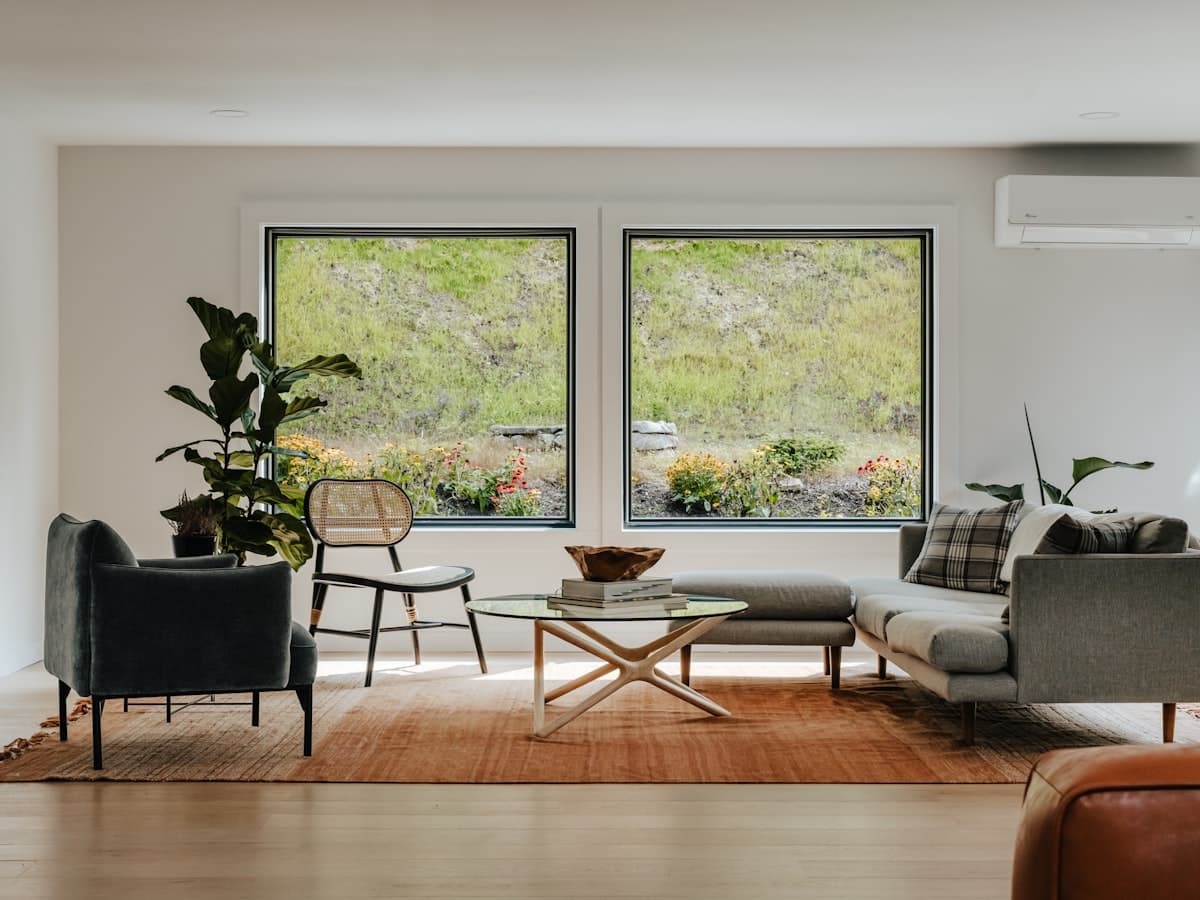
We get this question every week, especially from homeowners in older San Marcos, Escondido, and Carlsbad neighborhoods where central AC was never originally installed. The honest answer: it depends on your specific home — but the decision is usually clearer than most blog posts make it sound.
The 30-second answer
If your home already has functional ductwork, central AC is usually the right answer. If your home doesn't have ducts, or some rooms are always hot, mini-splits are usually the right answer.
That's not a sales pitch — that's us being honest. The market has tilted toward mini-splits in recent years because they're great for retrofits, but they're not magically better for every situation.
How they actually work
A central AC has one outdoor condenser, one indoor air handler (often combined with your furnace), and ducts that run conditioned air to every room.
A mini-split has one outdoor condenser connected to one or more indoor "heads" — wall-mounted units that blow air directly into a single room or zone. No ducts.
The key word with mini-splits is "ductless." That's their main advantage and it's also why they fit certain homes so well.
When mini-splits win
Older homes without ductwork. Lots of San Marcos, Escondido, and Vista homes built before the 70s never had central AC. Retrofitting ducts is expensive and invasive — you're cutting into ceilings and losing closet space. Mini-splits skip all of that. A 3-inch hole in the wall is all you need.
Additions, ADUs, garage conversions. Trying to extend existing ductwork to a new room rarely works well — the existing system isn't sized for the extra load. A mini-split for the new space is cleaner and often cheaper.
Rooms that are always hot. That bedroom over the garage that's 10° hotter than the rest of the house? A mini-split fixes that without re-engineering the whole system.
Zone-by-zone control. Mini-splits let you cool individual rooms instead of the whole house. If you live in a 3,500 sq ft home but only use 1,500 sq ft on a typical day, you're paying to cool a lot of empty space with central AC.
Coastal homes. In Encinitas, Carlsbad, and Leucadia, the marine layer means you don't need much cooling on most days — a mini-split sized for actual use is more efficient than central AC running short cycles.
When central AC wins
You already have working ducts. If your existing ductwork is in decent shape and you're replacing an old central AC anyway, going central is almost always cheaper and simpler.
Larger homes. Once you get past 4 zones, the cost of multiple mini-split heads passes the cost of a single central system. Around 4 zones is the breakeven point.
Aesthetics matter a lot. Wall-mounted mini-split heads aren't ugly, but they're visible. Some homeowners hate the look. Central AC vents disappear into the ceiling.
Whole-home cooling matters. If you want every room cooled to 72°, all the time, central AC handles that more uniformly.
What about cost?
This is where most blog posts get it wrong by quoting national averages. Here's what we actually see in North County:
- Single-zone mini-split: $5,000–$7,500 installed
- 3-zone mini-split system: $9,000–$15,000 installed
- Central AC replacement (existing ducts): $5,500–$8,500 installed
- New central AC + new ducts: $10,000–$15,000 installed — this is when mini-splits often win on price
The crossover point depends on your home's layout. We do a free in-home consultation that ends with both quotes side-by-side, so you can see the actual numbers for your house.
What about efficiency?
Modern mini-splits are typically 30–50% more efficient than older central AC, but newer central systems (16+ SEER2) are very close. Both qualify for federal tax credits and SDG&E rebates if you pick the right efficiency tier.
The bigger efficiency story is how you use the system. Mini-splits make it easy to cool only the rooms you're using — which often saves more than the equipment efficiency rating.
What about heating?
Both central AC and mini-splits can be paired with heat pumps for heating. In North County's mild climate, heat pumps make a lot of sense — federal rebates can cover thousands of dollars of the install cost.
If you have a gas furnace and you're happy with it, you can keep it and add either a central AC or mini-split for cooling.
How we'd decide for our own home
If we walked into a home and had to give a 60-second recommendation:
- Existing ducts in good shape, planning to stay 5+ years: central AC replacement.
- No ducts, especially older home: mini-split.
- Some rooms hot, rest of house fine: mini-split for the problem rooms only.
- New addition or ADU: dedicated mini-split.
- Want to electrify and qualify for max rebates: heat pump (could be either central or mini-split).
The actual answer for your home requires walking through it. We do free consultations across San Marcos, Escondido, Carlsbad, Vista, Oceanside, and the rest of North County — no pressure, just an honest opinion.